

BY BOB JOHNSON
When the Francis Scott Key Bridge was destroyed early Tuesday morning as a runaway cargo ship rammed into one of its support pillars, the skyline of Baltimore changed instantly and dramatically.

The bridge, which connected the city of Baltimore with Baltimore County, was a favorite route of weekend-warrior bowlers like Danny Wiseman, who estimates he crossed it “thousands of times” as he was honing his skills for an eventual stab at the PBA Tour.
“Bowl America and Fairlanes had tons of centers in the area,” Wiseman recalled. “It was a blue-collar area and bowling was a blue-collar sport, so those centers were busy.”
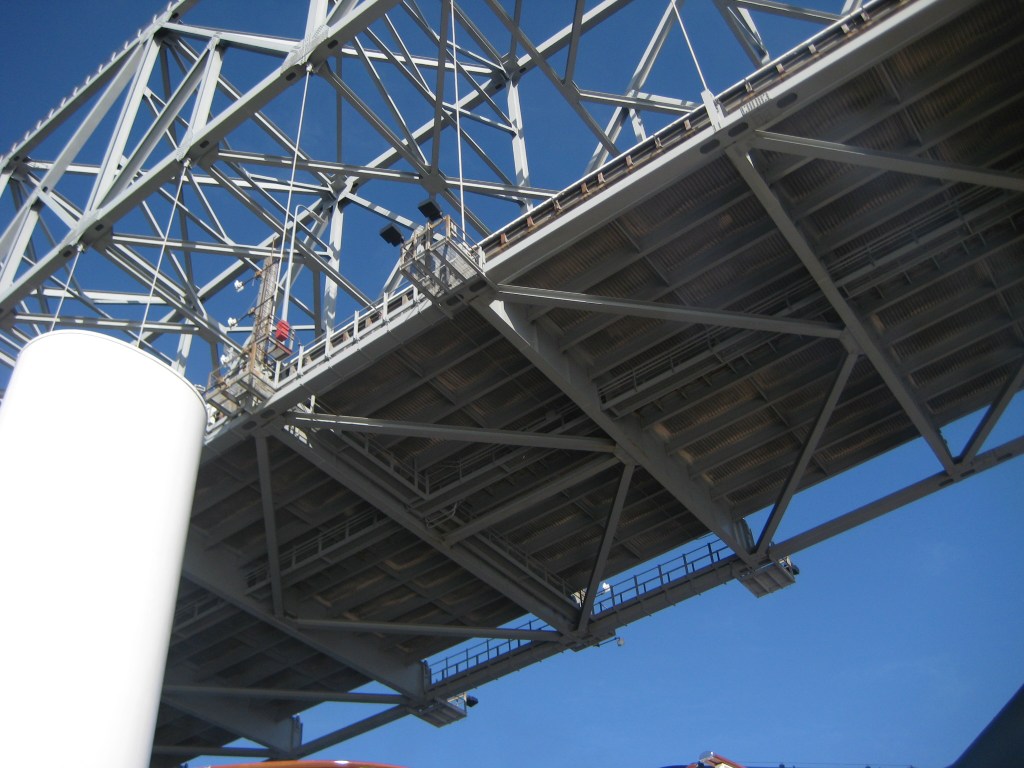
Wiseman, a member of both the PBA and USBC Halls of Fame, made the trip over the bridge to Glen Burnie to bowl in tournaments and pot games at various centers.
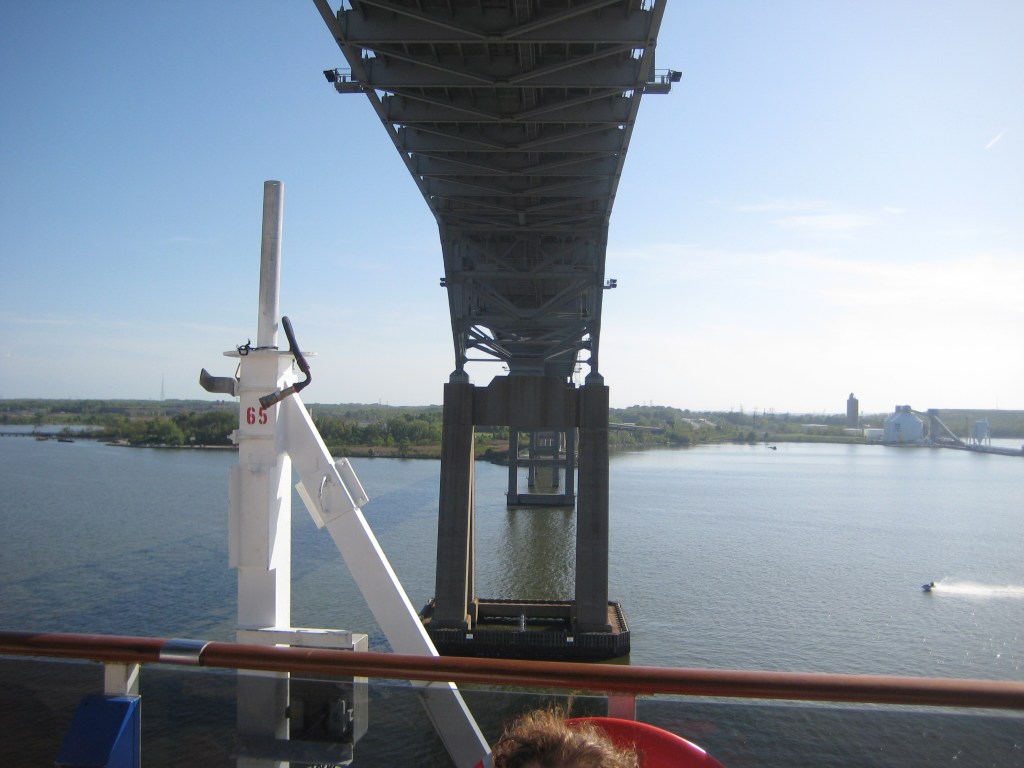
Wiseman said that even though the Baltimore Harbor and Fort McHenry tunnels also got drivers across Baltimore Harbor, they could become extremely congested. That’s why many bowlers would “go the long way around” and cross the Key Bridge to get to their bowling destinations. “It was longer for a lot of people, but it took less time.”
In later years, Wiseman would continue crossing the bridge, albeit less frequently, to help some of the youth bowlers he was coaching.
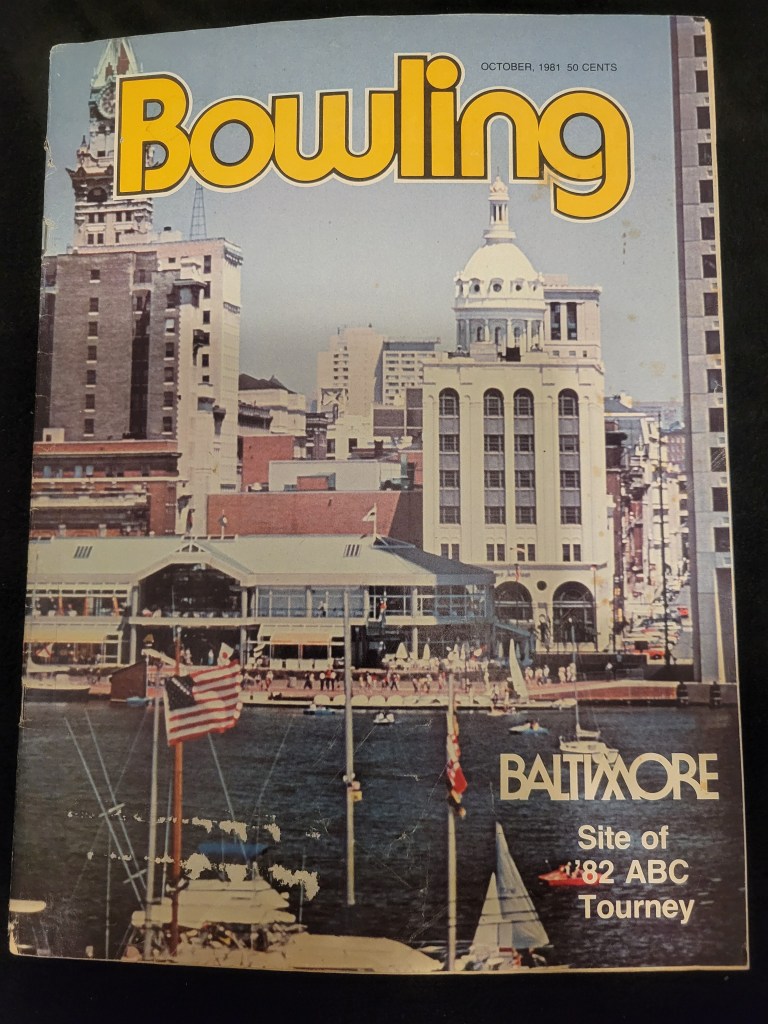
Many bowlers from outside Wiseman’s native Baltimore crossed the Key Bridge — just a few years after it opened — to compete in the 1982 American Bowling Congress Tournament at the Baltimore Convention Center and to visit area attractions.
And many bowling companies — including bowling ball manufacturer Faball — used the Port of Baltimore, which is now closed indefinitely, to ship and receive cargo. Faball was an innovator not only in ball technology but also marketing, the first to place a logo — in this case, the Hammer logo — on the “side” of the ball so television cameras would beam it into millions of homes on “Pro Bowlers Tour” telecasts. The ploy was the brainchild of the late Dennis Baldwin, who owned Faball plants first in Baltimore and then a larger location in Rosedale.
Depending on how long it takes to remove bridge debris from the harbor, ships will be diverted to other East Coast ports as each port’s capacity allows, and companies will need to make adjustments.
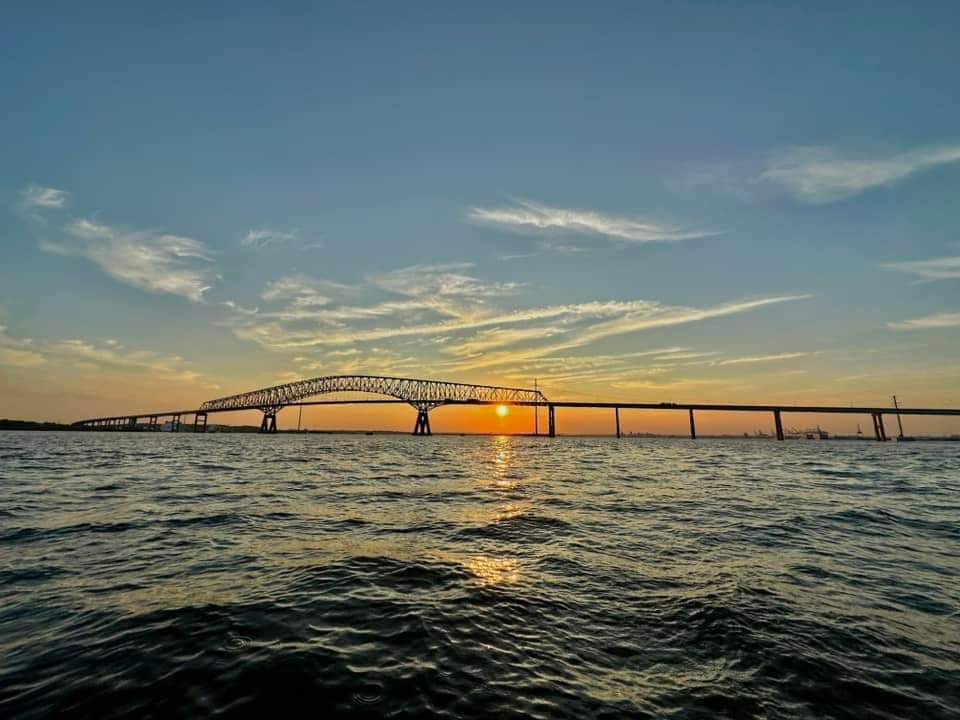
Wiseman, who could safely be dubbed “Baltimore’s favorite bowling son,” added that he wouldn’t be surprised if bowling balls were discovered at the bottom of the harbor during the debris-removal process. In moments of anger, bowlers have been known to discard what they deemed to be under-performing balls in any number of creative ways.
Photos: From a 2012 cruise taken by Danny Wiseman and Dana Iannantuono. Magazine cover: October 1981 issue of Bowling, which featured a preview of the 1982 ABC Tournament in Baltimore.





 Bowling Center Management Online
Leave a comment